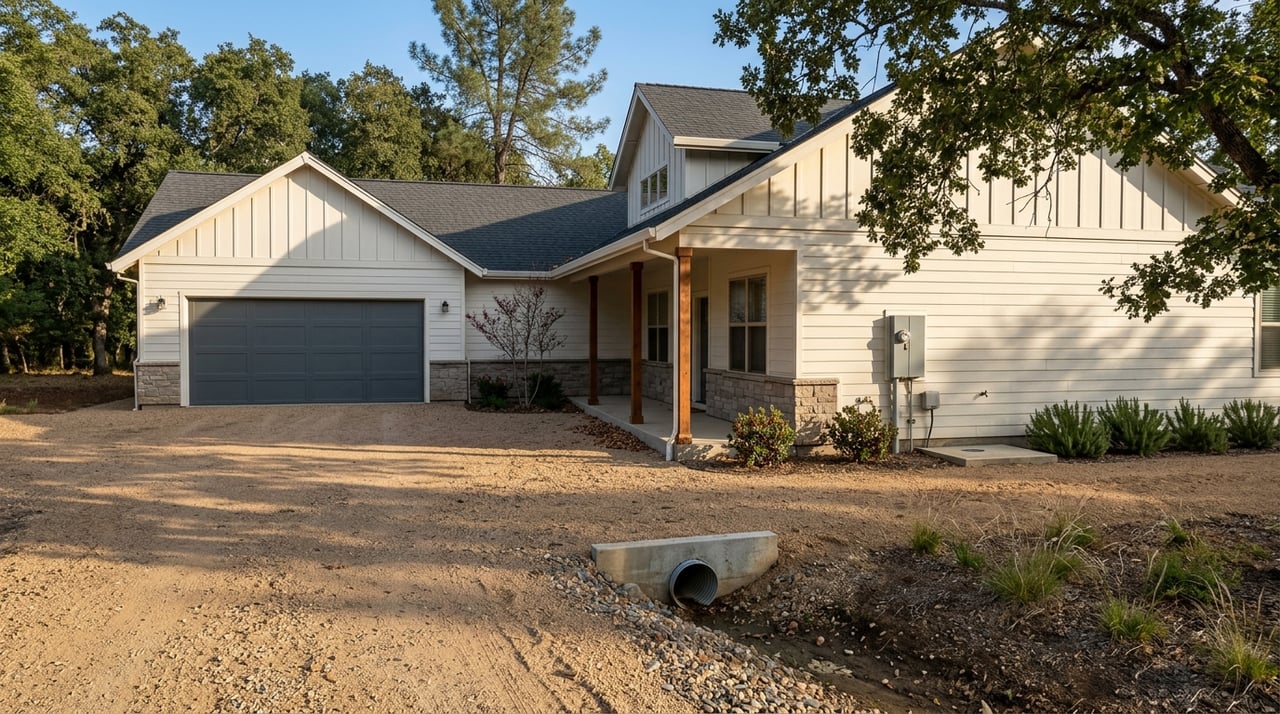
Buying rural property in Browns Valley can feel exciting right up until the questions start stacking up. Is the boundary map accurate? Is the water source reliable? Will the road access, septic, and fire-zone rules affect how you use the property? If you are looking for space, privacy, or a small-acreage lifestyle, it helps to know that rural buying here often requires more verification than a typical neighborhood purchase. This guide will walk you through what to expect, what to check early, and how to move forward with more confidence. Let’s dive in.
Browns Valley buying is more parcel-specific
Browns Valley is considered one of Yuba County’s rural communities, and that matters when you start comparing properties. In Yuba County, rural community zoning can include districts such as RC, RR, and RE, with RR intended for very low-density, large-lot single-family homes and RE recognizing previously subdivided parcels under five acres.
For you as a buyer, that usually means one property may function very differently from the next, even if both seem close in size or location. Lot dimensions, utility setup, site conditions, neighboring uses, and future improvement options can vary more here than in a standard suburban subdivision.
Zoning and parcel size affect your options
In Browns Valley, parcel size is not just about how much land you get. It can also affect what can be built, whether a parcel may be split later, and what utility requirements apply.
Yuba County code states that parcels in rural community areas may be subdivided only if sewage and water requirements are satisfied. Smaller parcels can also trigger public water and public sewer requirements, so if you are weighing a lifestyle acreage purchase against a nearby foothill property, it is smart to review the parcel rules early.
Why future plans matter now
If you hope to add a shop, expand a home, keep improvement options open, or explore future split potential, those plans should be part of your due diligence from the start. A property that works for your needs today may not support your plans tomorrow without additional county review.
That does not mean rural property is harder to buy. It means each parcel deserves a closer look before you remove contingencies.
Boundary lines need more than a listing map
One of the biggest surprises for rural buyers is that the map in a listing is only a starting point. Yuba County maintains a public GIS parcel layer with APN fields, along with recorded-document resources that can show easements, road abandonment, and other recorded agreements.
The county also maintains survey-document layers. That means a buyer should verify the parcel against county records to better understand the actual shape, legal description, and any recorded limitations that could affect use or access.
Confirm these details early
Before you get too far into escrow, it helps to confirm:
- The APN for the parcel
- Approximate boundary configuration shown in county records
- Whether there are recorded easements
- Whether access crosses another property
- Whether any road-maintenance agreements are recorded
- Whether survey documents are available
These checks can help you avoid finding out late in the process that a driveway, gate, or access route is not as simple as it first appeared.
Access can be a major rural issue
With rural property, legal and physical access are both important. Yuba County’s land-division standards note that off-site road improvements may be required when existing access does not meet public health and safety needs.
The code also says that in rural areas, a 60-foot hammerhead or T-turnaround may be allowed instead of a standard cul-de-sac if Public Works approves it. For you, that is a reminder that road layout, turnaround space, and maintenance responsibility are worth reviewing early, especially on parcels set back from main roads.
Ask how the property is actually reached
A good rural access review should answer a few basic questions:
- Is the road publicly maintained or privately maintained?
- Is there recorded legal access to the parcel?
- Are there shared-driveway or easement issues?
- Could road improvements be required in the future?
- Is there adequate turnaround access for service and safety needs?
These details may not be obvious during a quick showing, but they can have a big effect on day-to-day use.
Water and wastewater are core due diligence items
In Browns Valley, water and sewer service are often not as straightforward as they are in town. Some properties may be served by private domestic wells and septic systems, while others may have a different mix of district or on-site service.
Yuba County’s subdivision standards require each lot to be served by an approved water distribution system and require sewage systems to meet county health standards. If a parcel is outside an existing water district, the county requires domestic water availability to be shown and requires compliance with county environmental health review and state water-well standards.
What to verify about wells
Yuba County’s Environmental Health fee schedule includes permits for new domestic water wells and private water-sample review. That does not tell you installation cost, but it does show that well-related verification is a routine part of rural property review.
The State Water Resources Control Board recommends annual testing for domestic-well water quality. As a buyer, it is wise to ask for recent well information, flow details if available, and current water-quality results before moving too far forward.
What to verify about septic
The county fee schedule also lists permits for new conventional septic systems, along with pressure-dosed and engineered systems. Again, that is a sign that septic review is a normal and important part of rural due diligence.
The EPA advises homebuyers to inspect a septic system before purchase. EPA guidance also says the average septic system should be inspected at least every three years and pumped every three to five years, with some alternative systems needing more frequent service.
A practical buyer checklist includes:
- Date of the last septic inspection
- Date the tank was last pumped
- Any permits or as-built records available from the seller
- Type of septic system on site
- Any known repairs, upgrades, or performance issues
Irrigation service is not the same as drinking water
Some Browns Valley properties may fall within the Browns Valley Irrigation District service area. Yuba Water Agency states that BVID serves more than 1,500 agricultural and domestic irrigation customers in the Browns Valley and Loma Rica areas.
That can be helpful information if you are interested in landscaping, small-scale agricultural use, or irrigation support. Still, irrigation service should not be treated as proof of potable drinking water, so you should verify the actual domestic water source separately.
Wildfire risk should be part of your decision
Wildfire exposure is a meaningful issue in Yuba County, especially in foothill and rural areas. The county’s Safety Element states that fire hazard is greatest in the foothill and mountain areas, and reports that about 48 percent of the county is in Very High fire hazard severity zones, 15 percent in High zones, and 7 percent in Moderate zones.
That does not mean every Browns Valley property carries the same level of risk, but it does mean fire-zone review should be part of your property search. It is also important for planning, maintenance, and insurance conversations.
Fire rules can affect the parcel
Yuba County code requires parcels in a high fire severity zone to maintain a 30-foot setback from all property lines unless CAL FIRE gives written clearance to reduce that setback. On top of that, CAL FIRE guidance says homeowners should maintain 100 feet of defensible space.
You should also know that local fire service is not simply county-run. The Loma Rica/Browns Valley Fire Department says it is established by the Loma Rica/Browns Valley Community Services District, and that Yuba County does not provide fire service to its residents.
What to ask about fire conditions
As you evaluate a property, consider asking:
- Is the parcel in a high or very high fire hazard area?
- What setback rules apply?
- What defensible-space work may be needed?
- How does access affect emergency response?
- What insurance questions should be reviewed before closing?
These are smart questions to ask before you commit, not after.
Rural escrow often needs more front-end work
The basic escrow timeline for a financed California purchase may feel familiar. The CFPB says lenders must provide the Closing Disclosure at least three business days before closing, and one CFPB data point found a median of 44 calendar days from mortgage application to closing.
In Browns Valley, the bigger difference is often not the closing process itself. It is the extra review needed up front for access, zoning, water, septic, fire conditions, and recorded documents before you can comfortably remove contingencies.
Why contingencies matter more here
On a suburban home, many property questions are easier to answer quickly. On a rural property, key details may depend on county records, inspection results, permit history, and physical site review.
That is why it is common for the early part of the transaction to require more coordination. A careful approach can help you avoid surprises and make stronger decisions.
Questions to ask before you buy
If you are serious about a rural Browns Valley property, start with these questions:
- What is the APN, and what do county parcel records show?
- Are there recorded easements or access agreements?
- Is the property served by a private well, community system, public system, or irrigation district service area?
- When was the well last tested?
- When was the septic system last inspected and pumped?
- Are permits or as-built records available?
- Is the parcel located in a high fire severity zone?
- What setback, defensible-space, or access considerations apply?
- If you want to improve or split the property later, what county approvals might be required?
A property can still be a great fit even if the answers take some digging. The key is knowing what to ask while you still have room to investigate.
Local review makes a big difference
Rural property buying in Browns Valley is less about speed and more about clarity. The strongest buyers usually take time to verify parcel facts, understand utility setup, and look closely at access and fire-related conditions.
That extra work can pay off. When you understand the property at a deeper level, you can move ahead with more confidence and a clearer picture of how the land fits your goals.
If you are thinking about buying a small-acreage or rural property in Browns Valley, working with someone who understands the local process can help you ask better questions and stay organized from day one. When you are ready for personalized guidance, connect with Quinn Stacks.
FAQs
What should you expect when buying rural property in Browns Valley?
- You should expect more parcel-by-parcel review than with a typical suburban home, especially for zoning, access, water, septic, and wildfire-related factors.
Why is access so important for Browns Valley rural property?
- Access affects whether the property can be used safely and legally, and Yuba County standards show that road improvements or turnaround considerations may matter in some rural situations.
How should you verify water service for a Browns Valley property?
- You should confirm whether the property uses a private well, public or community water system, or another source, and verify domestic water availability separately from any irrigation service.
What should you check about septic on a Browns Valley property?
- You should ask for the last inspection date, last pumping date, system type, and any permits or records that help confirm the septic system’s condition and compliance history.
Does irrigation district service mean a Browns Valley property has drinking water?
- No, irrigation service should be treated separately from potable water, so you should verify the property’s domestic drinking-water source on its own.
How does wildfire risk affect buying in Browns Valley?
- Wildfire risk can affect setbacks, defensible-space needs, access considerations, and insurance planning, so it should be reviewed early in the buying process.
How long does it take to close on rural property in Browns Valley?
- A financed purchase may follow a fairly standard closing timeline, but rural due diligence often adds more front-end work before contingencies can be safely removed.