If you are trying to picture daily life in Yuba City, you are probably asking a simple question: would it actually feel like home? That matters because a city can look good on paper but feel very different once you factor in errands, commute time, parks, shopping, and the rhythm of everyday routines. In Yuba City, daily life tends to blend small-town familiarity with practical suburban convenience. Let’s dive in.
Yuba City at a glance
Yuba City is a midsize city with about 69,148 residents, and it serves as the agricultural, economic, and social hub of Sutter County. Even with that role, city planning documents note that it still maintains a small-town feel.
That balance shapes the way the city lives day to day. You have a place that is large enough to support shopping districts, parks, and transit, but compact enough that regular errands and after-school pickups can feel manageable.
Recent Census data also help paint the picture. About 24.8% of residents are under 18, the average household size is 2.91 people, and 57.3% of homes are owner-occupied.
Yuba City also has a multicultural everyday feel. Census data show that 24.4% of residents are foreign-born and 39.2% speak a language other than English at home.
What the neighborhoods feel like
One of the clearest things to understand about Yuba City is that daily life can feel different depending on where you are in town. The biggest contrast is between the older central areas and the newer neighborhoods around the city’s edges.
Older central areas
According to the city’s housing element, the center of Yuba City developed first. Because of that, homes there tend to be older and smaller than in other parts of the city.
In practical terms, the central part of town often feels more established and tighter-grained. You may notice a more connected street pattern, older homes, and easier access to parts of downtown where shopping, dining, and community events are part of the weekly routine.
The city also notes that these older homes are often more affordable than homes in other areas. For buyers, that can mean the core of Yuba City offers a different entry point and a different lifestyle feel than the newer outer neighborhoods.
Newer edge neighborhoods
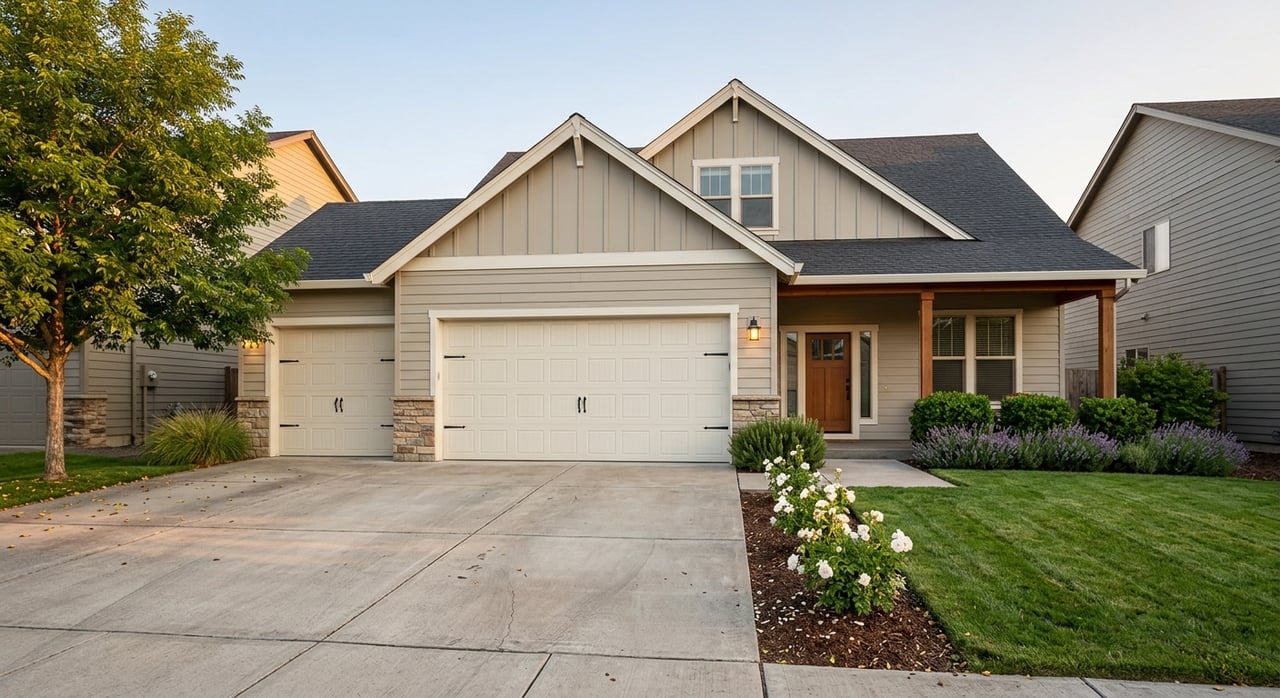
Recent residential growth has been concentrated in north and south Yuba City, with investment expanding along the city’s edges. These areas are more likely to feel like classic suburban subdivisions.
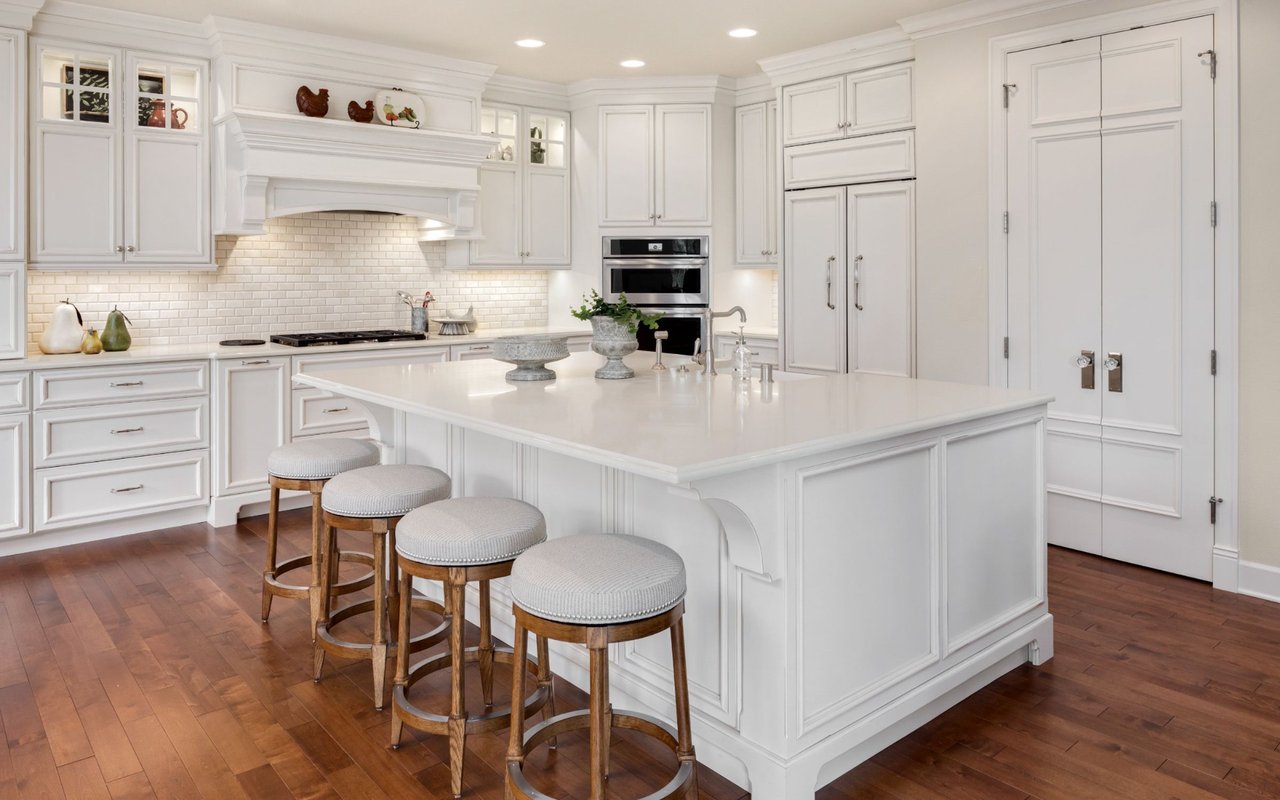
That usually means newer housing, a more modern suburban layout, and homes that may sit on larger lots than what you find closer to the city center. If you picture a routine built around driving, neighborhood parks, garage storage, and straightforward highway access, these parts of Yuba City may fit that image more closely.
More variety than you might expect
Yuba City is still predominantly a single-family housing market, but the housing mix is broader than a quick drive through town might suggest. City planning documents note that some specific-plan areas allow housing types such as small-lot detached homes, court-oriented homes, cluster housing, duet or halfplex homes, and townhomes.
That matters if you want options. Even in a city known for single-family living, you may still find a range of home styles depending on the area and the development pattern.
Family routines shape daily life
One of the strongest clues about Yuba City’s day-to-day lifestyle is in the city’s housing data. The housing element says nearly three-quarters of households are families with children.
That helps explain the pace of the city. In many parts of Yuba City, daily life is shaped by school schedules, sports practices, park visits, grocery runs, and the need for a home base that supports a busy weekly rhythm.
This does not mean every household looks the same. It does mean that many neighborhoods are built around practical routines and residential patterns that support everyday suburban life.
Getting around Yuba City
For many buyers, the true test of a city is not just what it looks like on a Saturday afternoon. It is how easy it feels on a Tuesday morning.
Yuba City’s road network is anchored by State Route 99 and State Route 20. The city identifies these as the major highways connecting Yuba City to Sacramento, Chico, Colusa, and Marysville.
That regional access is a big part of daily convenience. Whether you stay local most of the week or commute out of town, those routes help connect Yuba City to the broader region.
Commute times
The Census Bureau lists Yuba City’s mean travel time to work at 27.4 minutes. That will not match every household’s schedule, but it gives you a useful benchmark for what daily travel can look like.
The city’s housing element adds another helpful detail. Downtown Yuba City and downtown Marysville have the closest job proximity, while the southern reaches of Yuba City tend to have the longest commute times.
So if commute efficiency is high on your list, location within the city can make a real difference. Central areas may save time, while farther south neighborhoods may trade a longer drive for a newer suburban setting.
Walking and transit
Walkability also changes by area. The city’s transportation report says downtown Yuba City has a grid layout with abundant sidewalks, crosswalks, and pedestrian signage.
Newer suburban neighborhoods also have sidewalks, but rural-edge areas may have limited or no pedestrian infrastructure. That makes downtown the stronger fit if you want a more walkable feel for day-to-day errands or local outings.
Public transit is also part of local life. Yuba-Sutter Transit operates six local fixed routes serving Yuba City, Marysville, Linda, and Olivehurst on weekdays from 6:30 a.m. to 8:00 p.m. and on Saturdays from 8:30 a.m. to 5:30 p.m., with no Sunday service.
There is also weekday Sacramento Commuter and Midday Express service from Yuba City and Marysville to key stops in downtown Sacramento. For some households, that creates a practical alternative to driving every day.
Parks and outdoor time
A big part of what daily life feels like in Yuba City comes down to how easy it is to get outside. The city has a structured parks and recreation system with programs, events, activities, and facilities for youth, adults, and seniors.
Its parks directory lists five community parks, fifteen neighborhood parks, and three passive parks. That gives residents a solid range of options for everyday recreation close to home.
Gauche Aquatic Park
One standout amenity is Gauche Aquatic Park. The city says the facility includes a 10,000-square-foot building, a 25-yard by 25-yard 10-lap competitive pool, a zero-to-three-foot sprayground, and a 25-foot water slide.
For many households, that is the kind of feature that turns ordinary summer weekends into an easy local outing. It is also a good example of how Yuba City supports suburban family routines with built-in recreation options.
The Feather River edge
Yuba City sits on the west bank of the Feather River, and city planning materials identify the river corridor as an important open-space feature. That gives the city a natural edge and a scenic reference point that shapes the local setting.
Even if your daily routine is mostly work, school, and errands, having that open-space presence nearby adds to the overall feel of the city. It helps balance the suburban development pattern with a sense of landscape and breathing room.
Shopping and weekend routines
Shopping in Yuba City is spread across both older and newer parts of town. The city highlights a revitalized downtown shopping district on Plumas Street, the Yuba City Mall, and newer commercial venues in the Harter area.
That mix is part of what makes the city feel practical. You are not relying on one single district for everything, and different parts of town serve different kinds of errands and outings.
Downtown Plumas Street
Plumas Street is often described as the heart of downtown shopping, dining, and community life. This part of Yuba City tends to feel more event-driven and locally active than the city’s outer edges.
That can make a difference in how the city feels week to week. If you enjoy seasonal events and a more established central district, downtown adds character that newer suburban areas usually do not offer in the same way.
Farmers market and local events
For a simple snapshot of local routine, the Yuba City Certified Farmers’ Market operates at Town Square and C Street at Plumas Street from May through October, Saturdays from 8:00 a.m. to 12:00 p.m. Downtown also hosts recurring events such as Summer Stroll, Trick or Treat the Street, and Christmas Stroll.
These kinds of activities help explain Yuba City’s social rhythm. It can feel active and community-oriented without feeling dense or fast-paced.
So, what does daily life really look like?
In real terms, Yuba City often feels like a city of routines that work. You have older central neighborhoods that feel more established and connected to downtown activity, and newer outer neighborhoods that offer a more conventional suburban setup.
You also have practical highway access, a usable transit system, a broad park network, and shopping patterns that support both errands and weekend plans. Put together, that creates a lifestyle that is more grounded in convenience and familiarity than in big-city energy.
For many buyers and sellers, that is exactly the appeal. Yuba City offers enough infrastructure for day-to-day ease while still holding onto a more approachable, small-town feel.
If you are trying to decide which part of Yuba City best fits your routine, goals, and budget, working with a local expert can save you time and help you focus on the neighborhoods that match how you actually want to live. When you are ready for personalized guidance, connect with Quinn Stacks.
FAQs
What is the overall feel of daily life in Yuba City?
- Yuba City generally feels like a midsize suburban city with a small-town atmosphere, practical shopping and parks, and routines shaped by residential neighborhoods and family life.
What do neighborhoods in Yuba City feel like?
- Central Yuba City tends to feel older and more established, while north and south edge areas are more likely to feel like newer suburban subdivisions.
What is commuting like from Yuba City?
- Yuba City is connected by State Route 99 and State Route 20, the mean travel time to work is 27.4 minutes, and some commuters also use Yuba-Sutter Transit service to Sacramento.
Is downtown Yuba City more walkable than other areas?
- Yes, city transportation documents say downtown has a grid layout with abundant sidewalks, crosswalks, and pedestrian signage, while rural-edge areas may have less pedestrian infrastructure.
What kinds of parks and recreation are available in Yuba City?
- The city lists five community parks, fifteen neighborhood parks, three passive parks, and amenities like Gauche Aquatic Park with pools, a sprayground, and a water slide.
Where do people shop and spend weekends in Yuba City?
- Common activity areas include downtown Plumas Street, the Yuba City Mall, newer Harter-area shopping, the seasonal farmers’ market, and recurring downtown community events.