Selling a small acreage or ranchette in Sutter takes a different playbook than a typical suburban home. Buyers want proof of usable land, reliable water, a healthy septic, and clean records on outbuildings. If you prepare these details up front, you set the stage for stronger offers and fewer surprises. This guide gives you a simple, local plan to get market ready and protect your timeline. Let’s dive in.
Start with local basics
Sutter’s unincorporated parcels fall under Sutter County for permitting, records, and many inspections. That means county contacts and documentation matter as much as property condition. Before you list, identify your parcel’s permitting history and environmental health records. You will use these in your disclosures and your marketing packet to build buyer confidence.
If you are unsure about past permits or need help pulling records, start with Sutter County’s Building Services portal. You can confirm permits for the home and any large outbuildings there.
- Visit the county’s page for building permits and plan review to check or request permit history: Sutter County Building Services.
Boost first impressions at the gate
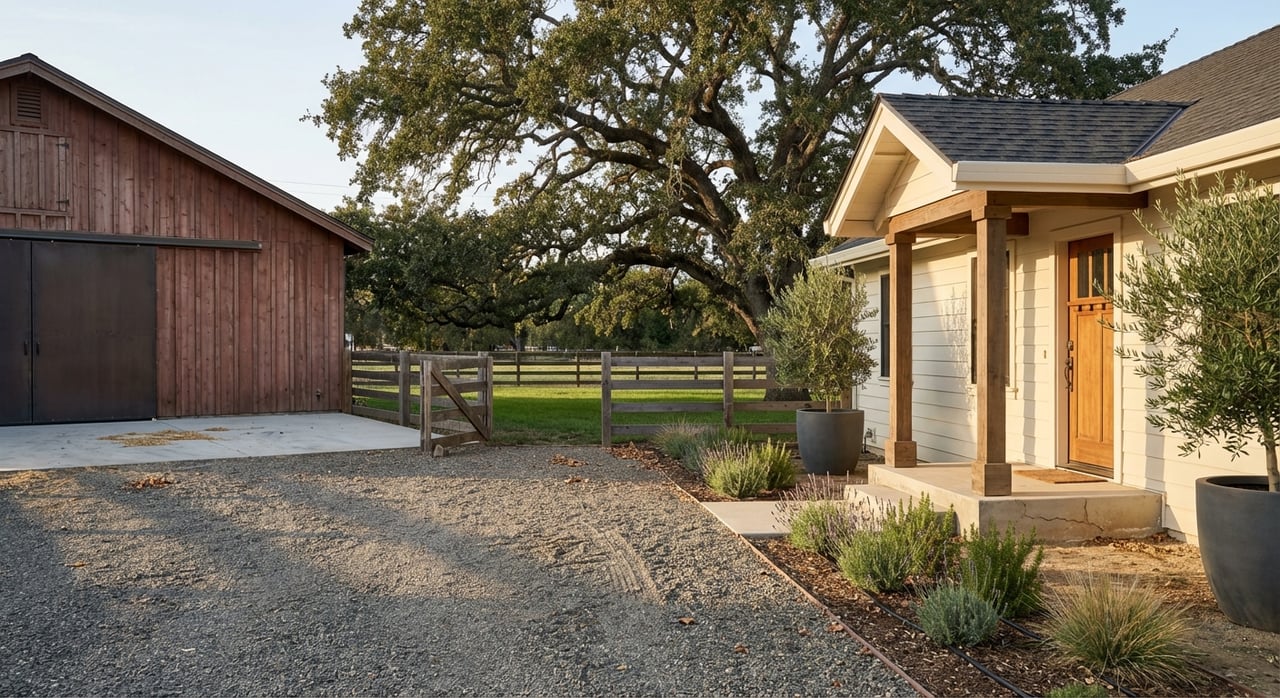
Your driveway and entrance shape a buyer’s expectations long before they step inside. Make sure the address is easy to see, the gate swings smoothly, and showings have a firm parking spot that stays clean in wet weather. Create a simple route so visitors can reach the house first, then see the shop, barn, and fencing.
For marketing, clean up vehicles and equipment, secure animals, and keep signage simple. Plan for clear ground-level photos plus drone or aerials that highlight parcel lines, pastures, and the relationship between the home and outbuildings.
Verify permits on outbuildings
Buyers and appraisers place real value on permitted improvements. Inventory every structure — barn, shop, lean‑to, arena, shelters — and gather any permits or as‑builts. If you are unsure, contact the county to verify what is on record and whether anything needs a retroactive permit.
Clean and repair safety items so inspectors can access spaces. Address loose wiring, rotten posts, and storage of fuels or chemicals. The goal is a tidy, safe presentation that prevents red flags during escrow.
- Check or request records through Sutter County Building Services.
Get septic records and service
A functional, well-documented septic system is essential for rural sales. Start by locating your septic permit, as‑built drawings, and any service records. If you cannot find them, Sutter County Environmental Health can guide you on what exists and what to order next.
The U.S. EPA suggests regular inspections every 1 to 3 years and pumping about every 3 to 5 years for typical household systems. If you do not have recent paperwork, schedule a professional inspection and pump before you list. Provide receipts and reports in your property packet so buyers can move quickly through contingencies.
- County guidance and permit records: Sutter County Septic System Information
- Service expectations: EPA septic inspection and pumping guidance
Test and document the well
Reliable water is a top value driver. Gather your well log, any past pump tests, and documentation for treatment or filtration systems. If you lack recent testing, consider routine potability tests for bacteria and nitrate before listing. Provide lab reports and chain‑of‑custody forms if available.
California recently expanded testing requirements for some rental properties. While that may not apply to owner‑occupied ranchettes, it signals buyer expectations. Clean, current reports help your sale.
- County well records and guidance: Water Wells and Soil Borings
- Testing expectations for private wells: State Water Boards guidance
Create defensible space and plan fire disclosures
Wildfire risk and insurability are top of mind for acreage buyers. Follow CAL FIRE’s defensible space guidance across the 0 to 5, 5 to 30, and 30 to 100 foot zones. Clear gutters, trim vegetation, and remove combustible mulch next to structures so your inspection goes smoothly.
If your parcel lies in a mapped High or Very High Fire Hazard Severity Zone, California’s AB 38 requires specific defensible space documentation or a written agreement during the sale. Local fire agencies typically manage these inspections and reports used in escrow. Order the inspection early if it applies to your property.
- Work standards and inspection info: CAL FIRE defensible space guidance
- Sale‑time disclosure rules: AB 38 text and summary
Tidy pasture, manage weeds, and mind drainage
Acreage buyers look for usable, well‑kept land. Mow fence lines, remove junk and old equipment, and repair obvious fence runs. This shows care and reduces liability during showings.
Pay attention to drainage. If you have improved swales or culverts, document what you did and when. Sutter County provides local guidance on utilities and well resources, and Environmental Health can point you to floodplain information if your parcel is near levees or river corridors.
- Local resources: Sutter County utilities and wells
Build a ready-to-share property packet
A complete packet reduces buyer risk and shortens contingencies. Aim to include:
- APN and any current survey or boundary map.
- Building permits for the home and larger outbuildings. Use Sutter County Building Services to verify.
- Septic permit, as‑built, inspection, and pump receipts. County info: Septic System Information.
- Well log, recent potability test results, and any pump test. County info: Water Wells.
- Defensible space report or receipts/photos of work. Guidance: CAL FIRE defensible space.
- Notes on water rights or irrigation sources and any agreements if water is shared.
- Tax records and any conservation encumbrances. Check for Williamson Act status through the California Department of Conservation.
Price acreage the right way
For small ranchettes, price is driven by improvements and usability more than a simple price per acre. House condition, a working septic, a reliable well, usable fenced acreage, and permitted outbuildings carry the most weight. Highlight these strengths in the listing and in your packet.
Comparable sales for rural property can be sparse. Work with a local agent who understands adjustments for shops, barns, fencing, irrigated versus dry pasture, and well yield. Expect a slightly longer marketing timeline than a typical subdivision home and plan your pricing and contingency periods accordingly.
Marketing that sells the story
Great acreage marketing shows how the land lives day to day. Use aerials with clear boundary overlays, a simple parcel map, and a walk plan that starts at the home then moves to outbuildings and pastures. Secure animals during showings and keep equipment out of sight.
Pair that presentation with targeted copy for likely buyers such as equine, hobby farmer, or privacy seekers. A full MLS presence with broad portal reach and clean, well-lit photography makes your listing easy to find and easy to love.
Common timeline risks to avoid
- Defensible space inspection backlogs. If AB 38 applies, schedule early to avoid closing delays. See AB 38 requirements.
- Septic or well surprises. Pre‑listing inspection and testing lower the risk of renegotiations. See EPA guidance on septic care.
- Unpermitted outbuildings. Confirm records with Sutter County Building Services and address issues before listing.
- Groundwater management questions. Note your basin and local GSA status so buyers understand long‑term planning under SGMA. County info: Sutter County SGMA page.
- Williamson Act or easements. Disclose enrollment and allowed uses early. Reference: Williamson Act overview.
Your two-week prep plan
Week 1
- Call Sutter County Building Services and Environmental Health for permit histories, septic, and well records.
- Order a septic inspection and pump if records are outdated or missing.
- Order well potability tests for bacteria and nitrate. Gather any prior pump tests.
- Walk the property to plan defensible space work and cleanup around structures.
Week 2
- Complete mowing on fence lines and sightlines, remove junk, and secure loose wiring or hazards in shops and barns.
- Create an organized property packet with APN, permits, septic and well reports, tax info, and recent drone and ground photos.
- Confirm if your parcel lies in a mapped fire hazard zone and schedule the defensible space inspection if required.
- Meet with a local rural-savvy agent to align on pricing, timelines, and a marketing plan tailored to your acreage.
Ready to sell your small acreage in Sutter with confidence? Let’s build a clean, defensible packet and a standout presentation that brings qualified buyers to your gate. Reach out to Quinn Stacks for a free valuation and a tailored seller strategy.
FAQs
What should Sutter acreage sellers gather before listing?
- Pull building permits, septic and well records, defensible space documentation, surveys, and any tax or Williamson Act details to reduce buyer risk and delays.
How often should a septic be serviced before selling rural property?
- The EPA suggests inspections every 1 to 3 years and pumping about every 3 to 5 years, with more frequent service for systems with pumps or treatment units.
Do I need a defensible space inspection to sell in Sutter County?
- If your parcel is in a High or Very High Fire Hazard Severity Zone, AB 38 requires defensible space documentation or a written agreement during the sale.
What water testing do buyers expect for private wells?
- Routine bacteria and nitrate testing with lab reports is a strong baseline, plus any local contaminants of concern if applicable to the area.
How is pricing acreage different from pricing a subdivision home?
- Value leans on improvements and usability such as a reliable well, working septic, usable fenced acreage, and permitted outbuildings rather than a simple price per acre.