Dreaming of a place where your weekend can start on the water, continue on a trail, and end with dinner downtown? Oroville offers exactly that kind of rhythm. If you are exploring a move and want a city with outdoor access, local events, and a housing mix that feels established rather than cookie-cutter, this guide will help you understand what everyday life in Oroville can look like. Let’s dive in.
Why Oroville Stands Out
Oroville is a small city of about 19,712 residents, located in the Sacramento Valley at the base of the Sierra Nevada foothills along the Feather River. That setting shapes a lot of daily life. You are close to water, trails, historic streets, and a downtown area that still serves as a community gathering place.
The city also presents itself around recreation, parks, museums, trails, and a historic downtown. That matters if you are looking for more than just a house. It suggests that lifestyle is a central part of what makes Oroville feel distinct.
Lake Oroville Shapes Local Life
Lake Oroville is one of the biggest lifestyle anchors in the area. The Lake Oroville State Recreation Area includes boating, fishing, swimming, camping, picnicking, horseback riding, hiking, and bike trails. The lake itself is roughly 15,000 acres and was created as part of the California Water Project by Oroville Dam.
For many buyers, that kind of access changes what home means. It is not just about square footage or layout. It is also about whether your weekends can include a boat launch, a shoreline picnic, or a quick escape outdoors without a long drive.
The recreation area also includes visitor services like marinas and glamping. Combined with the area’s Mediterranean-type climate, with warm to extremely warm summers and cooler winters, it is easy to see why lake season plays such a big role in the local lifestyle.
Trail Access for Everyday Use
Oroville is not only for big weekend outings. It also supports a more active day-to-day routine. Accessible trail options at Lake Oroville include the North Forebay and North Forebay Loop Trails, Potters Ravine Trail, Wyk Island Trail, and Chaparral Interpretive Trail.
These trails offer a mix of waterfront walking, lake views, and shorter route options. The city also points residents and visitors toward the Brad Freeman Trail and other recreation resources, which shows that hiking and biking are part of the area’s everyday appeal.
If you want a home base where getting outside feels easy, Oroville checks that box. You can picture a morning walk, an afternoon by the water, or a casual bike ride becoming part of your regular routine.
Downtown Adds Character
Outdoor access is only part of the story. Downtown Oroville adds another layer, with a historic commercial core and surrounding historic residential neighborhoods. The city describes this area as having tree-lined streets, stately Victorians, bungalows, museums, a riverfront trail, eateries, boutiques, and free on-street and off-street parking.
That combination gives the city a different feel from a newer suburban area built all at once. You are more likely to find visual variety, older architecture, and streets that reflect the city’s history. For buyers who enjoy homes with character and a more established setting, that can be a big draw.
The downtown area is also where people gather to dine, shop, and enjoy events. City resources specifically mention local spots such as Tong Fong Low, The Union, and Unicone Ice Cream & Treats, which helps paint a picture of a district that stays active beyond business hours.
Museums and Local Attractions
Oroville’s downtown historic district includes a cluster of five museums, all within a mile of each other. Those include the C.F. Lott Historical Home, Chinese Temple, Feather River Nature Center, and Pioneer History Museum.
If you like living in a place with layers of local history, this is another part of Oroville’s appeal. It adds educational and cultural stops to the same city footprint that already includes lake recreation and trails.
Community Events Keep the Calendar Full
One of the easiest ways to understand a city is to look at what brings people together. In Oroville, the city says there is something planned nearly every month. That helps create a sense of rhythm throughout the year rather than a place that only comes alive in one season.
Recurring events include First Friday street parties, the Wildflower & Nature Festival, Feather Fiesta Days, the Ishi Gathering & Celebration, 4th of July fireworks, the Salmon Festival, Perry Mason Days, the Veterans’ Day Parade, the Parade of Lights, and the Olive Festival.
Feather Fiesta Days is described as Oroville’s hometown celebration, with a grand parade, car show, craft fairs, mini-festivals, and a chili cook-off. The Salmon Festival connects downtown and the fish hatchery with environmental education, live music, salmon tasting, hatchery tours, and food vendors.
For a buyer, this matters because it points to a city with regular community activity. You are not just buying into a map location. You are choosing a place with recurring events that help shape local life.
What Homes Look Like in Oroville
If you are searching for homes in Oroville, it helps to know that the housing stock is varied. According to the city’s 2022 to 2030 Housing Element, Oroville had an estimated 7,439 housing units in 2021. About 53.5% were single-family detached homes, 10.8% were single-family attached, 11.4% were in 2 to 4 unit structures, 17.6% were in 5 or more unit structures, and 6.7% were mobile homes.
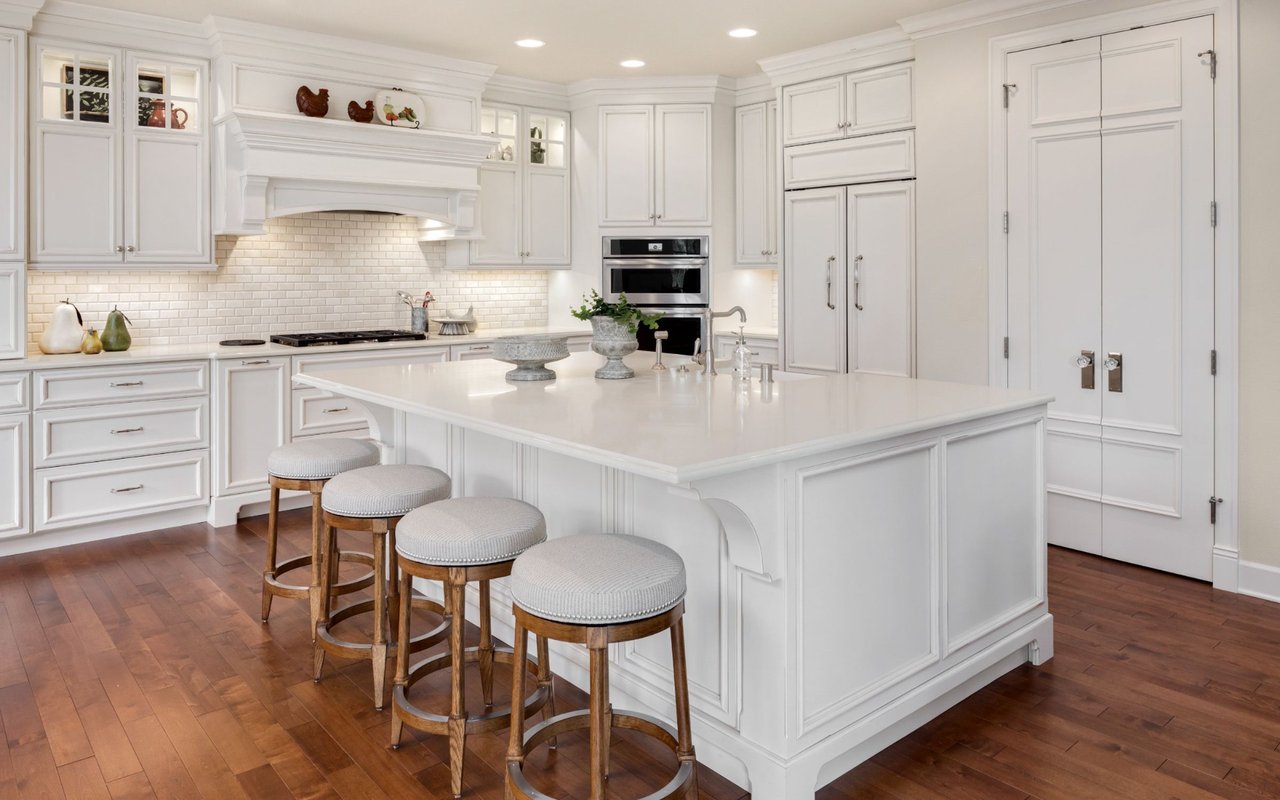
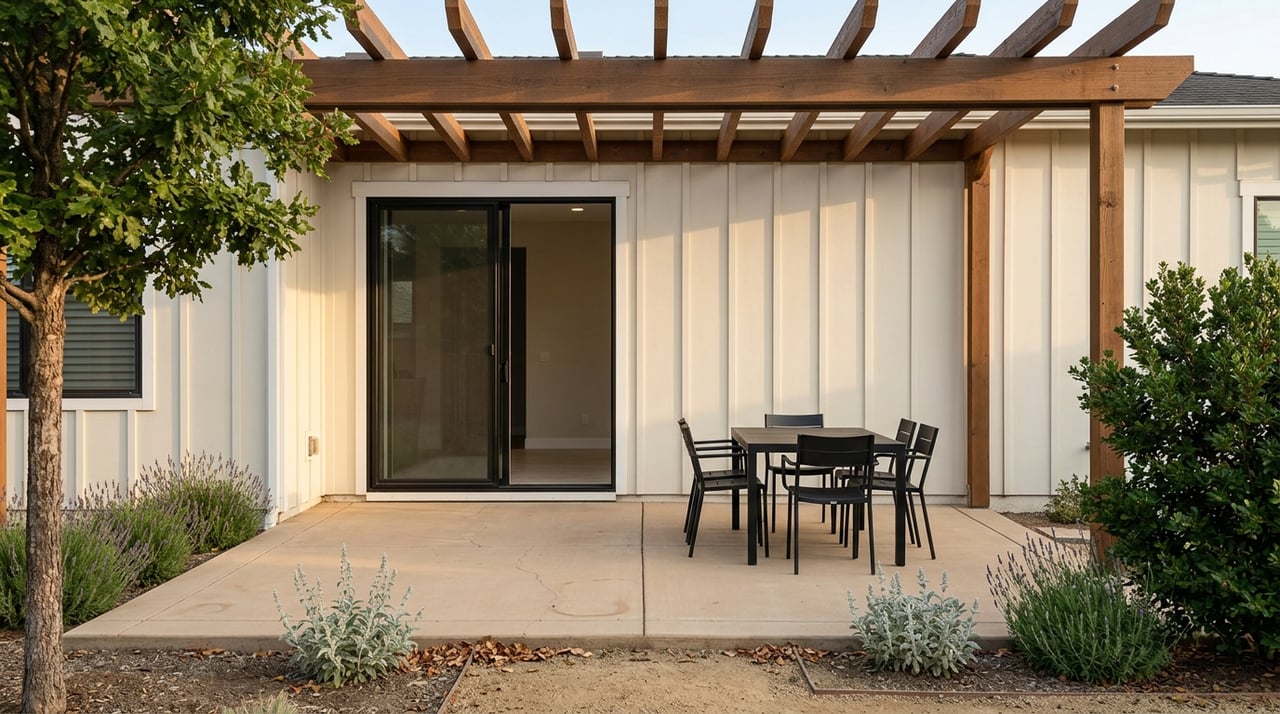
That mix tells you Oroville is not a one-format housing market. You can expect to see detached homes, attached options, smaller multifamily properties, larger multifamily buildings, and mobile or manufactured housing. For buyers at different stages of life or with different budgets, that variety can create more paths into the market.
An Established Housing Stock
Oroville also has a largely established housing base. Roughly three in four homes were built before 1980. More specifically, 48.4% were built from 1950 to 1979, and 25.9% were built in 1949 or earlier.
That older housing profile often means more variation in design, lot patterns, and street appearance. Instead of block after block of recent construction, you may find neighborhoods with mature trees, mixed architectural details, and homes with individual character.
The city’s own descriptions reinforce that visual identity, especially in and around downtown where Victorians and bungalows are specifically called out. If you like homes that feel established and visually distinct, Oroville may offer more of that than a newer master-planned suburb.
Matching Lifestyle to Home Style
One of the best ways to think about Oroville is to match the lifestyle you want with the type of home that supports it. The city works well for buyers who want recreation-first living without giving up everyday conveniences like dining, events, and a central downtown area.
Here is a simple way to think about the market:
- Downtown-adjacent homes may appeal to buyers who want historic character, older architecture, and easier access to museums, dining, events, and walkable streets.
- Detached homes may fit buyers looking for a more traditional single-family setup and the largest share of the local housing stock.
- Attached, multifamily, or mobile home options may suit buyers who want lower-maintenance living or a more budget-conscious entry point.
This does not mean every property fits neatly into one category. It does mean Oroville gives you more than one way to approach homeownership, depending on your goals and budget.
A Few Market Numbers to Know
Local housing data adds useful context if you are comparing Oroville to other nearby communities. Census QuickFacts reports an owner-occupied housing unit rate of 53.0%. It also reports a median owner-occupied home value of $311,600 and a median gross rent of $1,093 for 2020 through 2024.
Those numbers help frame Oroville as a city where ownership and rental options both play a meaningful role. They also support the idea that Oroville can appeal to buyers looking for a more attainable path into a recreation-oriented community with established housing.
Who Oroville May Appeal To
Oroville can make sense for a wide range of buyers because its identity is not built around just one feature. You have outdoor recreation, historic areas, recurring community events, and a diverse housing stock in the same city.
You may want to take a closer look at Oroville if you are looking for:
- A city where lake access and trails are part of daily life
- Established neighborhoods with a wider range of home styles
- Historic character near downtown
- A place where community events happen throughout the year
- Multiple housing formats instead of one dominant subdivision model
In practical terms, a typical weekend here might include time on the lake, a trail outing, a museum stop, and dinner downtown. That blend is a big part of Oroville’s appeal.
Final Thoughts on Oroville Living
Oroville offers a lifestyle that feels grounded in place. The lake, trails, historic downtown, museums, and year-round events all work together to create a city with variety and personality. Add in a housing mix that ranges from detached homes to attached options and older character properties, and you get a market that can serve different needs without feeling one-note.
If you are weighing a move to Oroville, it helps to look beyond the listing photos and think about how you want your days to feel. If lake days, trail access, and established home styles sound like the right fit, Oroville is worth a closer look.
If you are thinking about buying or selling in Oroville or nearby foothill communities, Quinn Stacks offers personalized guidance, local insight, and a high-touch approach built around your goals.
FAQs
What is daily life like in Oroville, California?
- Daily life in Oroville often centers on outdoor recreation, a historic downtown, museums, trails, parks, dining, and recurring community events throughout the year.
What outdoor activities are available in Oroville?
- Oroville offers access to boating, fishing, swimming, camping, picnicking, horseback riding, hiking, and biking through the Lake Oroville State Recreation Area and nearby trails.
What kinds of homes are common in Oroville?
- Oroville has a mix of housing types, including single-family detached homes, single-family attached homes, small multifamily properties, larger multifamily buildings, and mobile homes.
Are homes in Oroville mostly newer or older?
- Oroville has a largely established housing stock, with roughly three in four homes built before 1980.
What is special about Downtown Oroville?
- Downtown Oroville combines a historic commercial core with surrounding historic residential areas, including tree-lined streets, Victorians, bungalows, museums, eateries, boutiques, and community events.
Does Oroville have community events throughout the year?
- Yes. The city reports events nearly every month, including First Friday street parties, Feather Fiesta Days, the Salmon Festival, 4th of July fireworks, and the Parade of Lights.