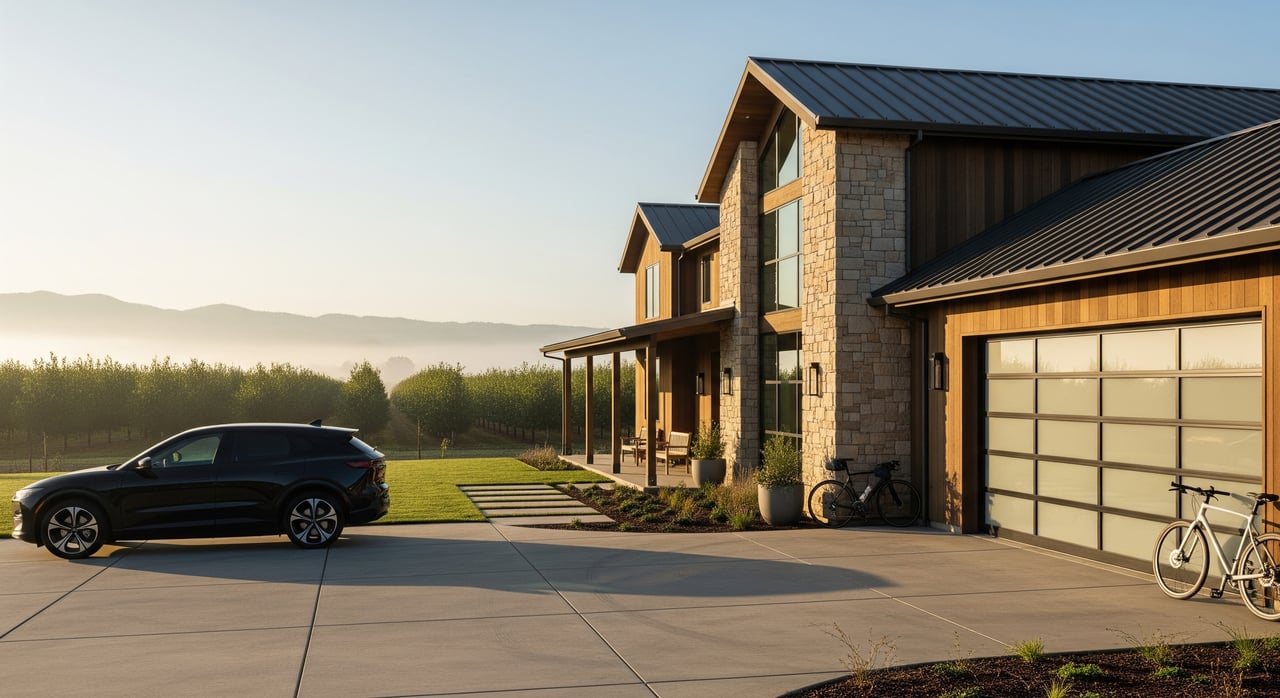
Craving more space, a quieter street, and a yard without giving up your Sacramento job? You are not alone. Many buyers look to Yuba City for a different pace of life while keeping ties to the capital. In this guide, you will learn how the commute works, what daily life feels like, and how to decide if the tradeoffs make sense for you. Let’s dive in.
Is a Yuba City to Sacramento commute realistic?
Yes, for many people it is. A large share of Yuba City residents commute by car to jobs throughout the Sacramento area. Your experience will depend on your destination in Sacramento, the time of day you travel, and how often you need to be on site. Hybrid and flexible schedules make the move especially attractive, since fewer peak-hour trips can significantly ease the burden.
If you expect to commute daily, planning and routine matter. If you commute a few days a week, you will likely find the balance of space, value, and occasional drive more workable.
The daily drive: what to expect
Most commuters drive. You will use primary state routes that lead south toward Sacramento, then merge onto major corridors serving downtown, university areas, and other job centers. Traffic typically builds as you approach the Sacramento metro and river crossings.
What affects your drive time
- Time of day and direction. Mornings are usually heavier inbound to Sacramento, and evenings outbound.
- Exact destination. Downtown, campus areas, and south or east side employment centers each add different segments to your route.
- Incidents and construction. Lane closures and crashes can quickly change your timing.
- Weather and seasonal activity. Heavy rain or agricultural truck traffic can slow speeds.
Peak patterns to plan around
- Morning inbound. Expect the tightest windows right before standard office start times.
- Evening outbound. Congestion often peaks as workers exit the city.
- Flexing by 15 to 30 minutes can make a noticeable difference.
Pro tip: Do a couple of test drives at your usual start and end times before you write an offer. It is the best way to set realistic expectations.
Transit, carpool, and hybrid options
Yuba City is served by a local transit provider with routes across the Yuba–Sutter area. Some services connect to regional stops and may offer weekday commuter or express options toward Sacramento. Availability and frequency change over time, so check current schedules before you rely on a bus for daily work trips.
Carpooling and vanpools are common for longer regional commutes. Many employers in Sacramento support flexible hours or hybrid work arrangements. If your role allows it, aligning in-office days with lighter traffic windows can make a big difference.
Housing and neighborhoods to consider
You will find a range of home types in and around Yuba City. Single-family homes are the most common, with a mix of styles and lot sizes.
- Core and older areas near downtown. Bungalows and mid-century homes on modest lots, close to local shops and services.
- Newer subdivisions on the edge of town. More recent construction and larger floor plans, often with neighborhood parks and sidewalks.
- Semi-rural and agricultural fringe. Small-acreage properties, orchards, and room for projects and outdoor storage.
- Nearby small cities and unincorporated areas. Places like Marysville and parts of Sutter County offer their own character and price points.
Yuba City is often positioned as a more affordable alternative to core Sacramento neighborhoods. You may get more space and a larger yard for your budget. The tradeoff is a longer commute and fewer big-city amenities. If you value room to grow, privacy, and easy parking, that tradeoff can be worth it.
Daily life snapshot
Shopping and services
You can cover daily needs quickly. Major grocery stores and neighborhood centers are spread across the city, so most errands are a short drive. For specialized retail or niche services, many residents make occasional trips to Sacramento.
Healthcare access
Full-service hospitals and clinics serve the Yuba City area, and Sacramento offers access to larger specialty centers. If you have specific medical needs, consider proximity to your providers when you choose a neighborhood.
Parks, rivers, and recreation
Local parks, community recreation centers, and nearby river access offer plenty of outdoor time. Weekends often include trail walks, youth sports, and day trips to regional lakes and foothills.
Schools and education
Public school districts serve neighborhoods across Yuba City, with charter and private options available in the broader area. School assignment policies vary by district. If schools are a key factor for you, review district resources and enrollment guidelines before you decide.
Dining, coffee, and community events
You will find a growing mix of local restaurants, cafes, and family-friendly spots. Community calendars feature seasonal festivals and farmers markets. It is a small-city feel with easy parking and straightforward navigation.
Time vs. money: a practical framework
The decision often comes down to more home for your budget versus the time and cost of commuting. Use this simple framework to compare scenarios.
- Define your schedule
- Daily commuter. Five round trips per week during peak hours.
- Hybrid commuter. Two to three round trips per week with flexible start times.
- Occasional commuter. One trip per week or less, often off-peak.
- Estimate your monthly drive cost
- Fuel. Multiply your typical miles per trip by fuel price and your vehicle’s efficiency.
- Maintenance and depreciation. Add a flat monthly reserve to account for tires and service.
- Parking. Include daily or monthly parking near your workplace if applicable.
- Tally your time cost
- Total weekly hours in the car. Consider what that time replaces in your routine.
- Stress factors. Think about heavy-traffic segments and how often you face them.
- Compare to housing benefits
- Interior space and lot size.
- Privacy and storage for hobbies, boats, or equipment.
- Neighborhood amenities that match your lifestyle.
If the hybrid or occasional schedule works for you, the math often favors Yuba City. If you must commute daily during peak hours, you will want to focus on neighborhoods with the quickest access to your preferred route and plan a consistent routine.
Who thrives with this commute
- Buyers seeking more space per dollar. If you want a larger home or yard without a downtown premium, Yuba City fits.
- Hybrid and remote workers. Fewer weekly trips make the balance of cost and time more comfortable.
- Small-acreage and hobby buyers. If you value privacy, workshops, or room for animals and equipment, the fringe areas are appealing.
- Flexible-schedule professionals. If you can shift your start time, you can avoid the heaviest traffic periods.
How to choose your Yuba City neighborhood
Use this quick checklist to align your home search with your commute and lifestyle.
- Commute test. Drive your exact route at your usual start and end times.
- Route access. Map the most direct path from the neighborhood to your workplace.
- Frequency fit. Make sure the commute aligns with your real weekly schedule.
- Home type. Match the home’s size, lot, and storage to your must-haves.
- Daily errands. Check drive times to grocery stores, pharmacies, and gyms.
- School logistics. Review school district resources and enrollment policies.
- Parks and play. Visit local parks and recreation facilities on a weekend.
- Noise and pace. Walk the block morning, afternoon, and evening to get a feel.
Seasonal and safety considerations
- Weather. Heavy rain can slow traffic and extend drive times. Build a buffer on storm days.
- Agricultural seasons. Truck traffic and farm activity can be heavier at certain times of year.
- Construction cycles. Road work can shift lanes or reduce speeds. Allow extra time.
- Emergency planning. Know your evacuation routes, and ask about local floodplain considerations if relevant to a specific property.
Your next step
If Yuba City sounds like a fit, start with a few commute test runs and a short list of neighborhoods that match your lifestyle. From there, a focused home tour will help you compare floor plans, lots, and access points.
You deserve clear guidance, local insight, and a smooth process from search to keys. If you want a personalized plan for your commute, housing goals, and timing, reach out to Quinn Stacks for a one-on-one consultation.
FAQs
How long is the drive from Yuba City to Sacramento during rush hour?
- Drive time varies by destination, time of day, and traffic. Expect heavier inbound traffic in the morning and outbound in the evening. Test-drive your route at your usual start and end times to set expectations.
Are there public transit options from Yuba City to Sacramento?
- A local transit provider serves the Yuba–Sutter area, and some services may connect to Sacramento on weekdays. Always check current schedules and connections before relying on transit for daily commutes.
Is Yuba City more affordable than Sacramento for homebuyers?
- Yuba City is often positioned as a more affordable option compared to core Sacramento neighborhoods. Weigh the housing benefits against your commute time and cost to decide what fits best.
What neighborhoods in Yuba City work well for commuters?
- Areas with quick access to main routes and your daily errands tend to work best. Tour target neighborhoods at commute times and confirm drive times from the specific block.
How do schools work if I move to Yuba City?
- Public school districts serve different parts of the city, with charter and private options in the broader region. Review district resources and enrollment policies for your address before you decide.
What if I work remote part time?
- Hybrid schedules are common. If you only travel to Sacramento a few days a week and can shift your start time, the Yuba City commute usually becomes more manageable.