Thinking about buying a historic home in Marysville? It can be an exciting way to own a piece of local history, but it also comes with a different set of questions than buying a newer house. If you want charm, character, and a better sense of what to check before you commit, this guide will help you understand what to look for, what may cost more, and how to plan your next steps. Let’s dive in.
Marysville Historic Homes Are Not One-Size-Fits-All
If you picture a “historic home” as one specific style, Marysville may surprise you. The city’s historic preservation overlay zone covers most of the city east of A Street, and the broader historic area includes residential buildings dating back to the 1850s.
That means you may see a wide range of construction eras, materials, and updates over time. In practice, a historic home in Marysville might be a carefully preserved property, a house with a few original details left, or an older home that has been changed many times over the decades.
Marysville’s historic context also includes several distinct architectural styles. Local and National Register documentation points to Gothic Revival examples like the Ramirez House and the Mary Aaron Museum, along with Italianate, Mission or Spanish Colonial Revival, and Moderne influences in the broader historic district.
What Historic Character May Look Like
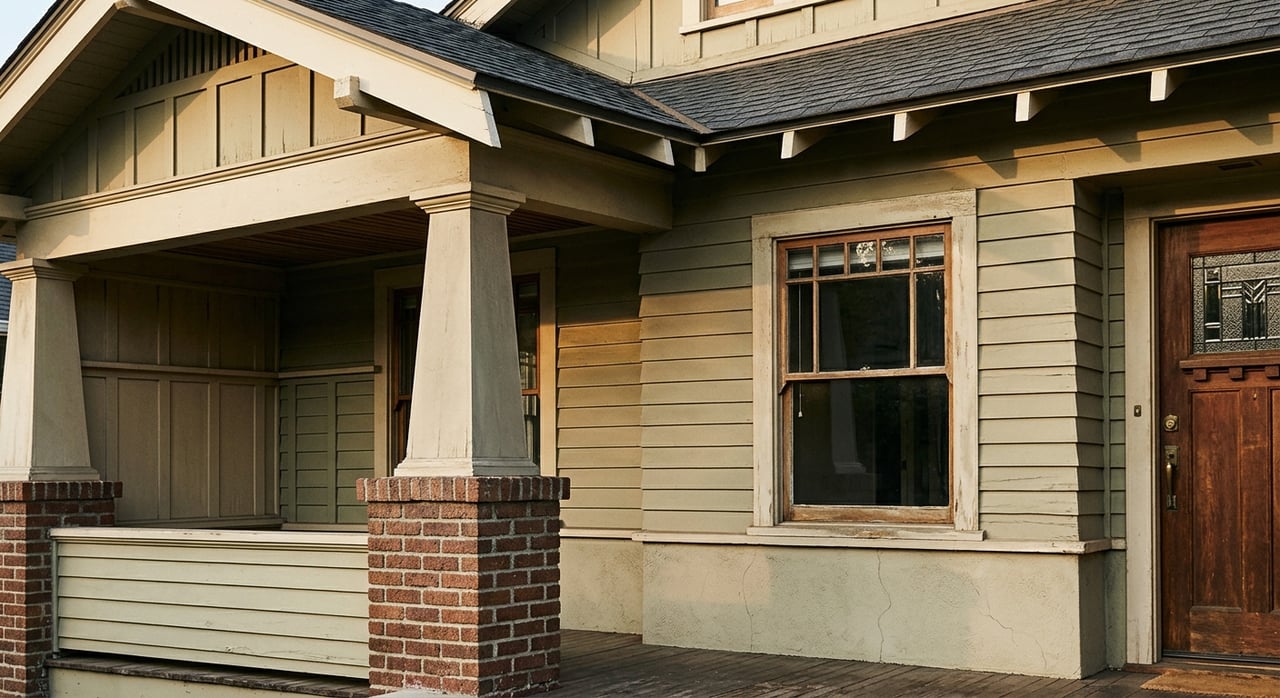
Historic character often shows up in details you can spot right away. In Marysville, that may include steep gables, decorative trim, pointed windows, brickwork, stucco, cornices, older doors, and period-style color palettes.
Some of the city’s best-known landmark homes show just how varied historic design can be. The Ramirez House is noted for pointed gables, decorative bargeboards, finials, lancet windows, and brick construction plastered to resemble stone. The Mary Aaron Museum, built in 1855 and 1856, includes Gothic Revival features like turrets and a crenelated parapet.
For buyers, the key takeaway is simple: historic value is often tied to original exterior details. Marysville’s preservation policies specifically focus on features like façade details, windows, cornices, brickwork, doors, and colors that fit the home’s original period.
Start With One Key Question
Before you fall in love with a house, ask whether it is inside Marysville’s historic overlay zone. That single answer can shape what you are allowed to change on the exterior and how much review may be required later.
You should also ask whether the property is an officially designated historic resource or simply an older home within a historic area. Those are not always the same thing, and that difference can affect future renovation options.
If you plan to update paint, windows, siding, masonry, or trim, this matters early. It is much easier to understand the review process before you buy than to discover restrictions after closing.
Inspections Matter More in Older Homes
Older homes usually need deeper due diligence than newer construction. A standard home inspection is still important, but with a historic property, you may also need specialized evaluations depending on the home’s age, condition, and materials.
In Marysville, that is especially relevant because some historic homes date to the mid-19th century. Homes from that era may have had many repairs, additions, or system upgrades over time, and not all of them may meet current expectations or have been fully documented.
Lead-Based Paint
Lead-based paint is one of the biggest issues to investigate in older homes. The California Department of Public Health says homes built before 1978 should be tested, and homes built before 1950 almost always contain some lead-based paint.
This becomes more important if you notice peeling or chipping paint, bare soil around the house, or if you plan to repaint or remodel. In a real estate transaction, sellers are required to provide lead disclosures and a lead information pamphlet when applicable.
If testing or repair is needed, CDPH says remodeling should be handled by state-certified lead professionals. That is not something you want to figure out after moving in.
Asbestos Concerns
Asbestos is another issue to keep on your radar. The California Contractors State License Board notes that asbestos-containing materials may still be present in buildings and should be surveyed before renovation or demolition.
This matters because a cosmetic remodel in an older house can quickly turn into a health and budget issue if asbestos is discovered in flooring, insulation, roofing, or other materials. If you are buying with plans to update right away, ask about this before closing.
Structural Conditions
Historic homes can be solid, but they can also hide structural concerns that newer houses may not have. In Marysville, masonry examples like the Ramirez House and the Miller House are reminders that brick and other heavy historic materials deserve extra attention.
If a home shows settlement, cracking, sloping floors, or signs of altered additions, a deeper structural review may be wise. This is especially true when an older structure has been expanded or modified over many decades.
Check for Permits and Past Work
Unpermitted work can be a bigger issue in older homes because updates may have happened little by little over a long period. Marysville requires building permits for alterations, repairs, conversions, and demolition, and the city’s code enforcement addresses construction without permits, unsafe buildings, and substandard structures.
As a buyer, ask for permit records and final sign-offs for visible upgrades. That may include additions, garage conversions, major electrical or plumbing work, window replacements, roofing changes, or exterior alterations.
If a seller cannot clearly document major updates, that does not always mean the deal is off. It does mean you should slow down, ask more questions, and understand the possible cost of bringing work into compliance later.
Exterior Changes May Need Historic Review
One of the biggest differences between a historic home and a newer resale home is what happens after you buy it. In Marysville’s historic overlay zone, exterior work on any structure is reviewed by the Architectural Review Board.
The city says the board considers style, design, arrangement, texture, materials, and colors. So even changes that feel routine, like repainting, replacing windows, or updating trim, may involve a review process that would not apply in most newer neighborhoods.
Marysville’s housing element also notes that the city prefers restoration of original historic and architectural character. That includes compatible windows and doors, proper brick repair, restored cornices, and colors that fit the original period.
Expect More Time for Renovation Planning
Historic review can affect your timeline. Marysville notes that typical design review can take about 6 to 8 weeks, and the city also acknowledges that preservation-focused review can increase rehabilitation costs.
That does not mean historic ownership is a bad choice. It just means your renovation budget and schedule should leave room for approvals, specialized materials, and work that matches the home’s character.
For some officially listed or designated properties, the California State Historical Building Code may offer an alternate compliance path. According to the California Office of Historic Preservation, that applies to structures on national, state, or local historic registers or official inventories.
Flood Risk Should Be Checked by Property
Flood risk is another item you should verify by parcel instead of making assumptions based on the area. Marysville’s levee system began in 1862 and protects property inside the levees, but FEMA flood maps are still the official tool for determining whether a property is in a Special Flood Hazard Area.
FEMA also notes that flooding can happen outside the highest-risk zones. So if you are considering a historic home in Marysville, make flood-zone verification part of your normal due diligence instead of treating it as an afterthought.
This can affect your comfort level, insurance questions, and long-term ownership costs. It is best to confirm it early while you are still evaluating the property.
Budget for the Unknowns
Historic homes often come with more moving parts than newer homes. Even if the purchase price feels manageable, the real cost of ownership may include specialized inspections, repair work, design review, permit fees, and materials that better match the home’s original look.
Marysville’s housing element specifically notes that preservation-oriented design review can add to rehabilitation cost. The city has also used façade improvement programs and grants in the past, but buyers should not assume that financial assistance will be available for every project.
A larger contingency budget can give you more flexibility. If you are comparing a historic home with a newer resale, this is one of the most important differences to keep in mind.
Read Disclosures Carefully
The seller disclosure package deserves close attention on any purchase, but it is especially important with older homes. The California Department of Real Estate says the Transfer Disclosure Statement covers the physical condition of the property and potential hazards or defects.
Take your time reading every page. If something is unclear, ask questions and bring in the right professionals before removing contingencies.
This is where you can often spot clues about repairs, known hazards, aging systems, or past issues that deserve follow-up. A careful review now can help you avoid expensive surprises later.
A Smart Buyer Checklist for Marysville
If you are serious about buying a historic home in Marysville, here are a few smart questions to ask early:
- Is the property inside the historic preservation overlay zone?
- Is it an officially designated historic resource or simply an older home?
- What exterior changes require Architectural Review Board approval?
- Are permit records available for visible updates or additions?
- Has the home been checked for lead-based paint or asbestos concerns?
- Does the property show signs of settlement, cracking, or altered additions?
- Is the parcel located in a FEMA flood zone?
- Are there already any historic-review approvals in place for planned work?
These questions can help you compare properties more clearly and make a more confident offer.
Why Local Guidance Helps
Buying a historic home is rarely just about square footage and finishes. You are also evaluating age, condition, records, review requirements, and what it may take to preserve or update the property the right way.
That is where local knowledge matters. A buyer who understands Marysville’s housing stock, permit landscape, and historic-review process is in a better position to spot red flags early and move forward with a realistic plan.
If you are considering a historic property in Marysville and want help making sense of the details, connect with Quinn Stacks for personalized guidance on your home search.
FAQs
What makes a home historic in Marysville?
- In Marysville, a home may be considered historic because of its age, location within the historic overlay zone, architectural character, or formal designation on a historic register or inventory.
What should buyers check before buying an older home in Marysville?
- Buyers should check whether the property is in the historic overlay zone, review permits for past work, investigate lead and asbestos risks, evaluate structural condition, and confirm flood-zone status by parcel.
Do exterior changes to historic homes in Marysville need approval?
- Yes, exterior work in Marysville’s historic overlay zone is reviewed by the Architectural Review Board, and the city evaluates design, materials, colors, and compatibility with historic character.
Are historic homes in Marysville more expensive to renovate?
- They can be, because preservation-focused design review, matching original details, specialized repairs, and longer approval timelines may increase renovation costs.
How long can historic design review take in Marysville?
- Marysville notes that typical design review can take about 6 to 8 weeks, so buyers should plan extra time when budgeting for exterior improvements.
Should buyers worry about flood risk for historic homes in Marysville?
- Buyers should verify flood risk for the specific parcel using official flood maps, because risk can vary by property and flooding can occur outside the highest-risk zones.